Carbon Odor Filters
Buy American made replacement filters for your range hood or microwave oven.
Narrow results | Select multiple items
-
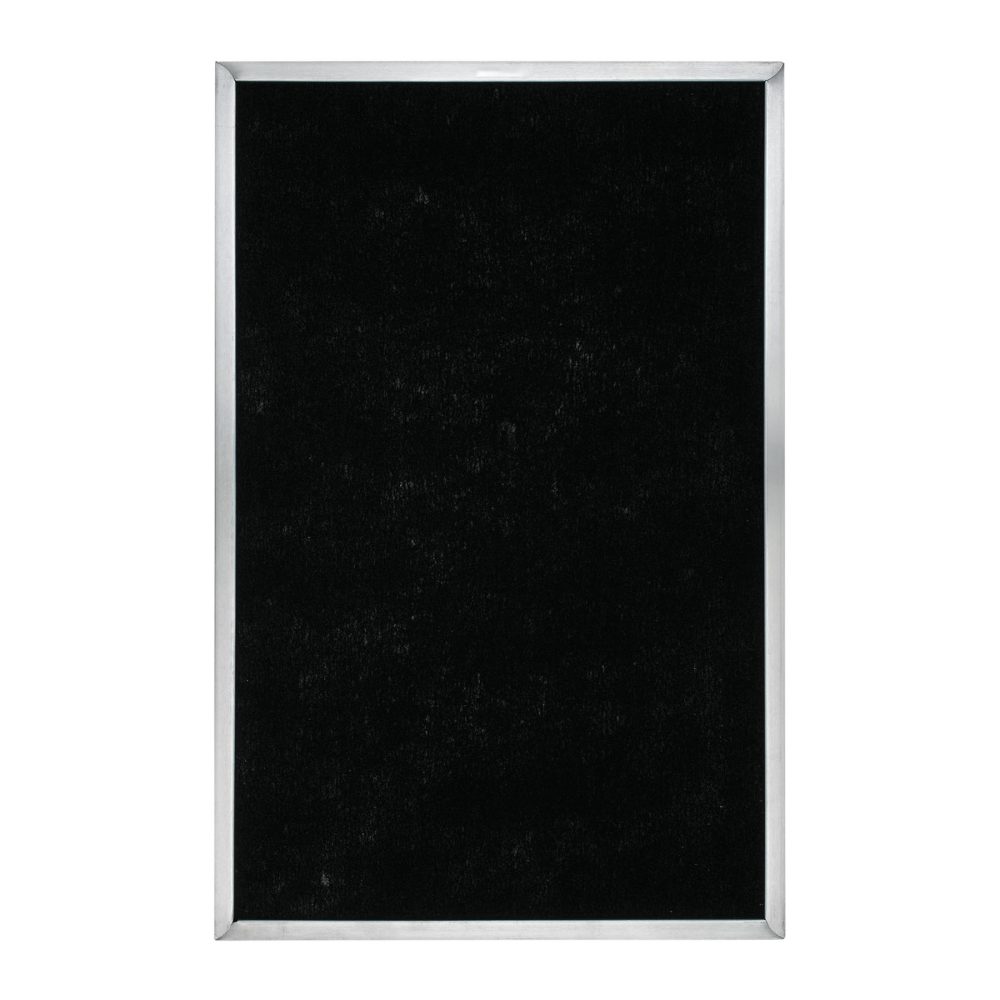
Charcoal Carbon Odor Filter for KitchenAire Range Hood Models KA130 – KA170 – KA190 – KA240 – LF16 – LFCU12 – LFCU13 – LFCU17 – LFCU19
-
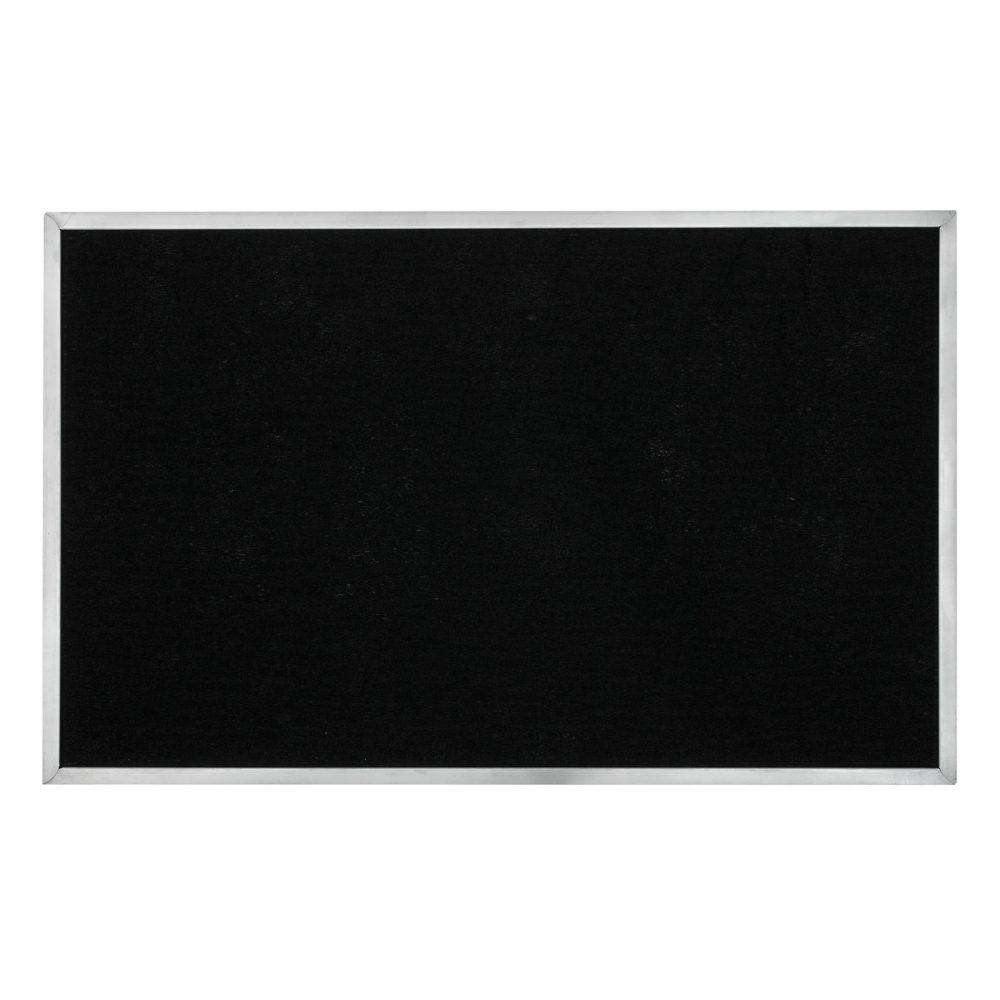
GE WB02X10731 Carbon Odor Range Hood Filter Replacement
-
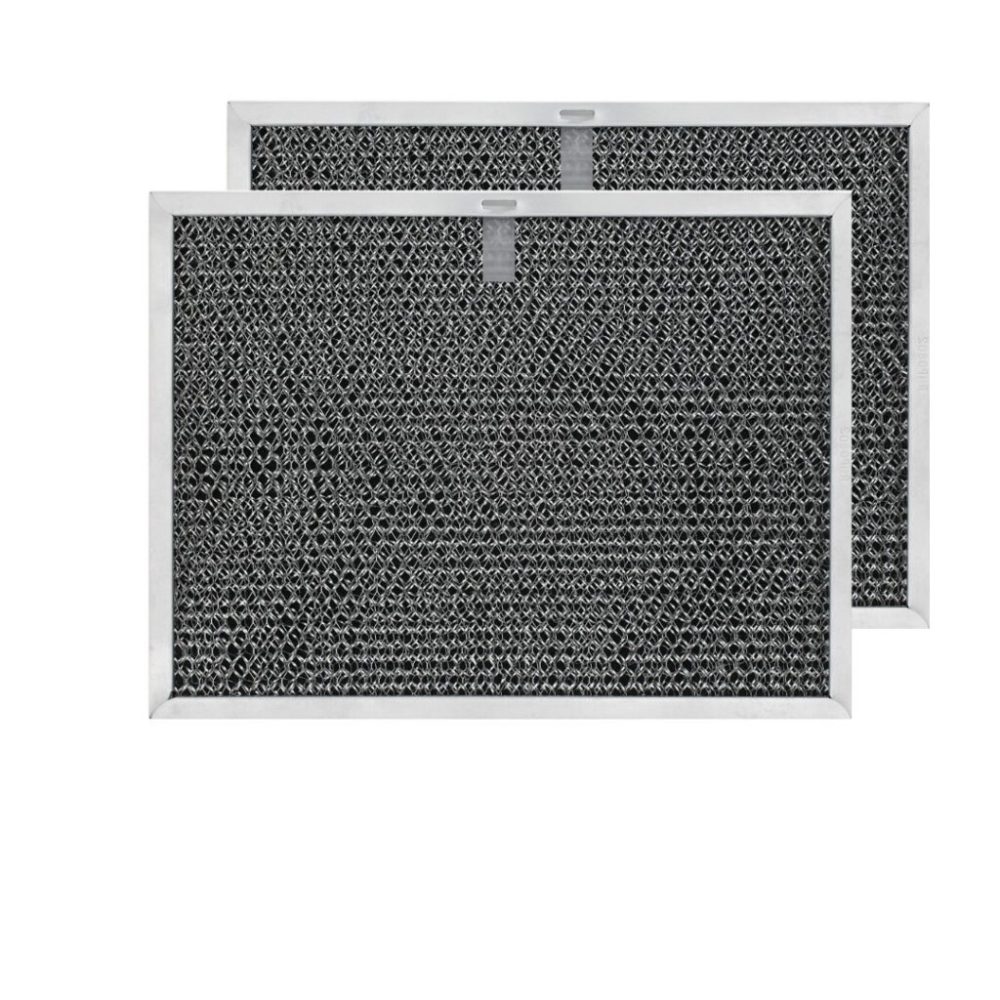
2-Pack Broan S99010308 Combination Aluminum and Carbon Grease and Odor Range Hood Filter Replacements
-
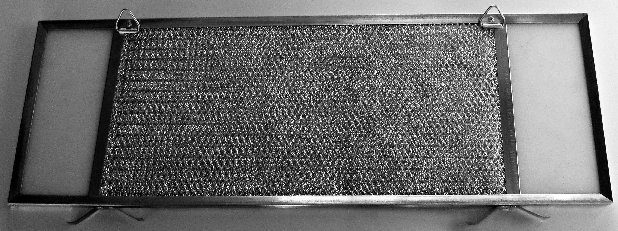
KitchenAire Double Lens Grease and Odor Range Hood Filter, Fits KitchenAire Hoods Models HC130, HC200, HC240, HC300, KA155
-
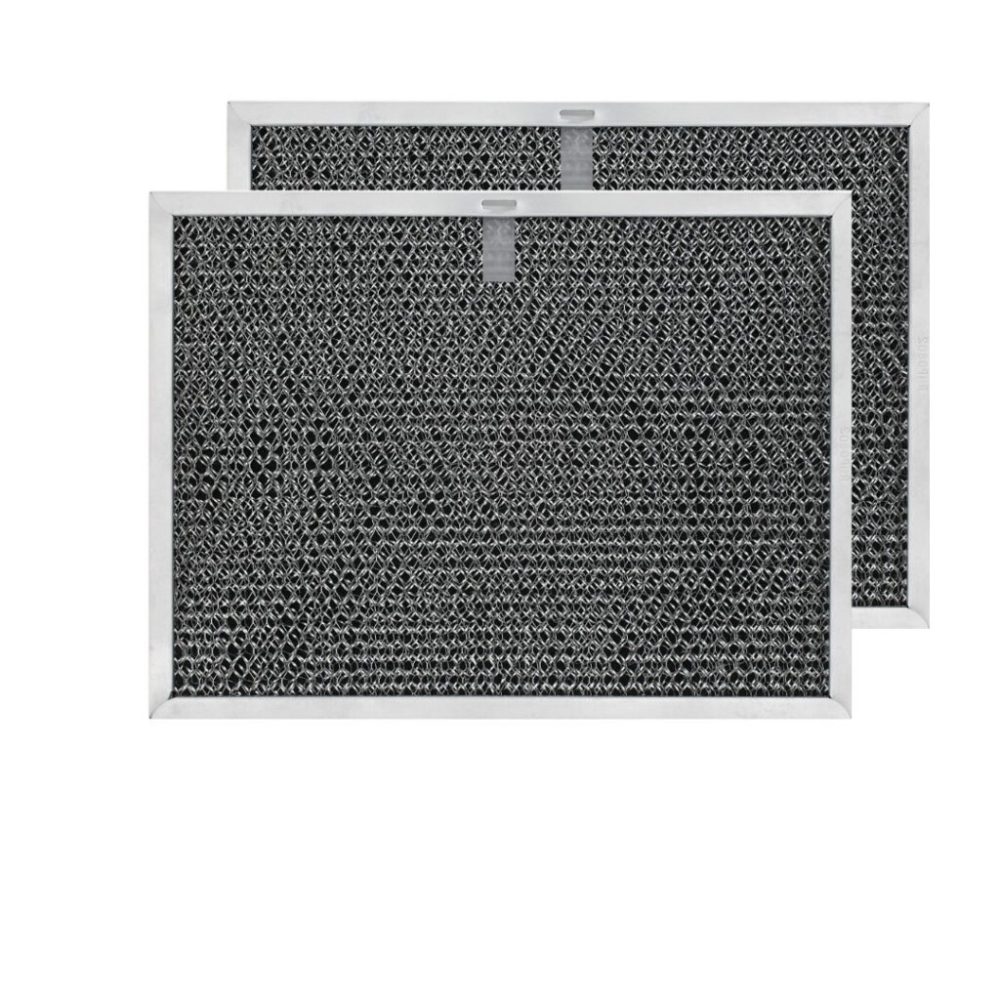
2-Pack Broan S99010309 Combination Aluminum and Carbon Grease and Odor Range Hood Filter Replacements
-

Rectangular Range Hood Grease Filter 10-7/16 x 11-7/16 x 3/8 (10.438 x 11.438 x 0.375) — American Metal Filter Company
-
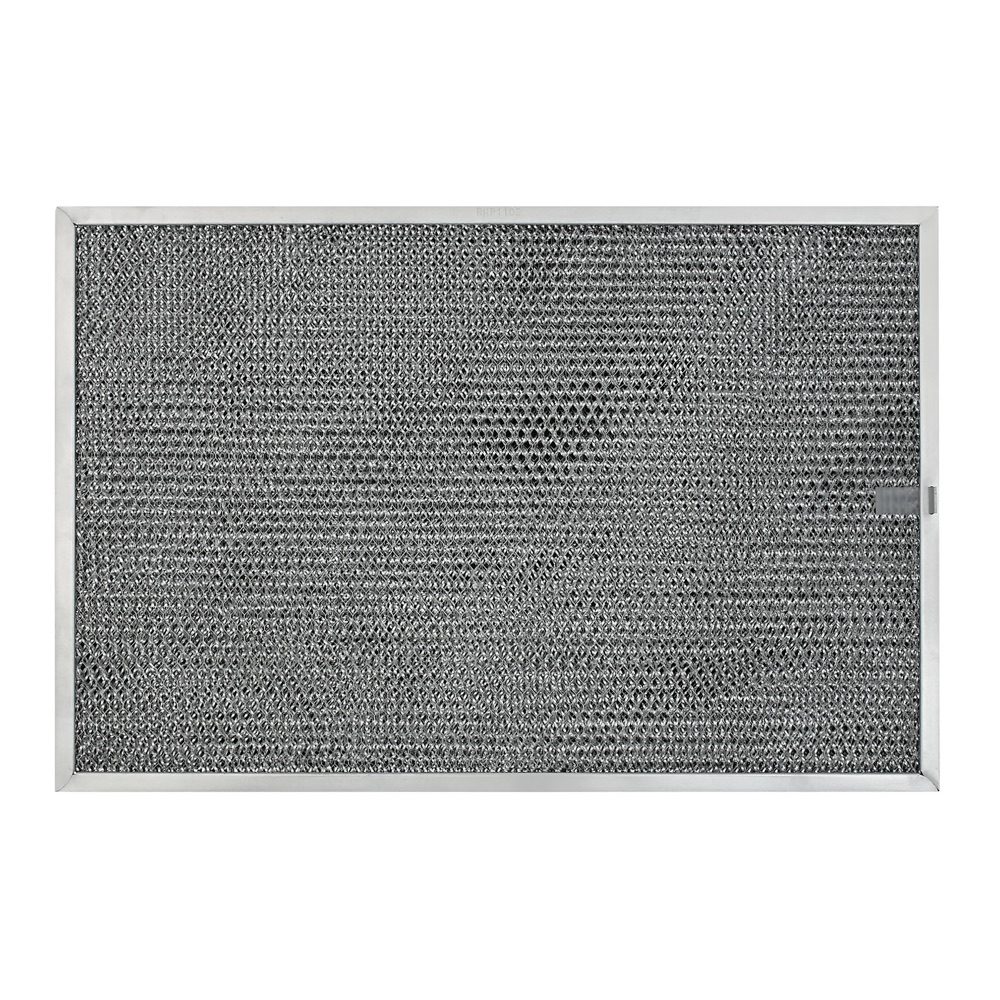
GE WB2X9761 Aluminum/Carbon Grease & Odor Range Hood Filter Replacement
-
Broan 99010353 Carbon Odor Range Hood Filter Replacement
-
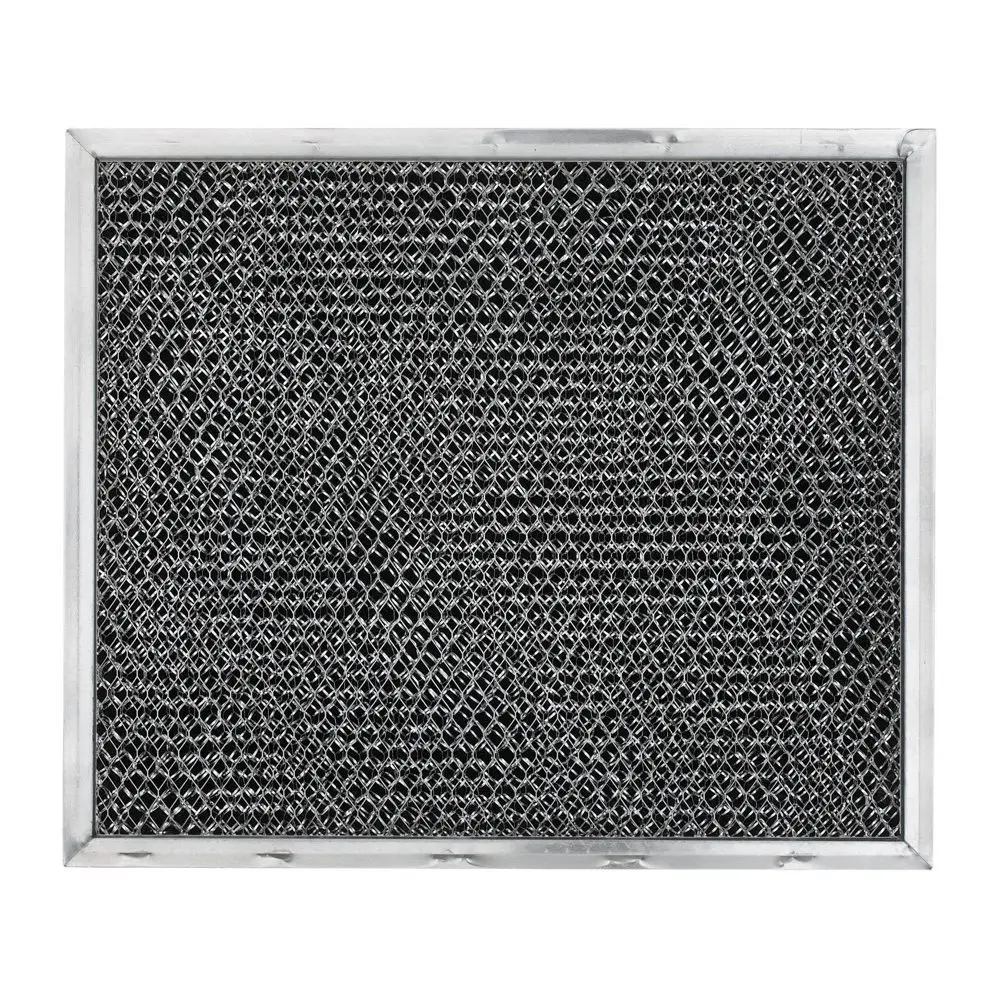
GE WB02X8406 Aluminum/Carbon Grease & Odor Microwave Filter Replacement
-
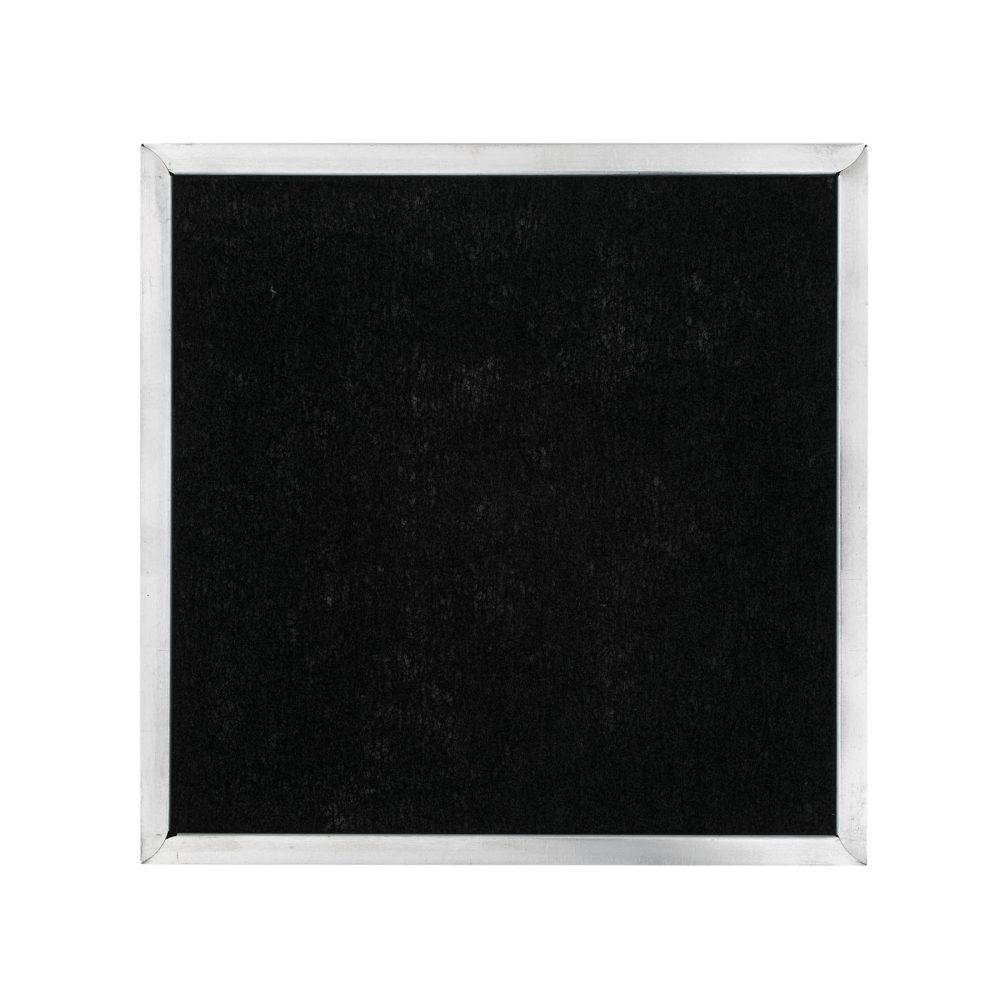
Miami-Carey 533VP Carbon Odor Range Hood Filter Replacement
-
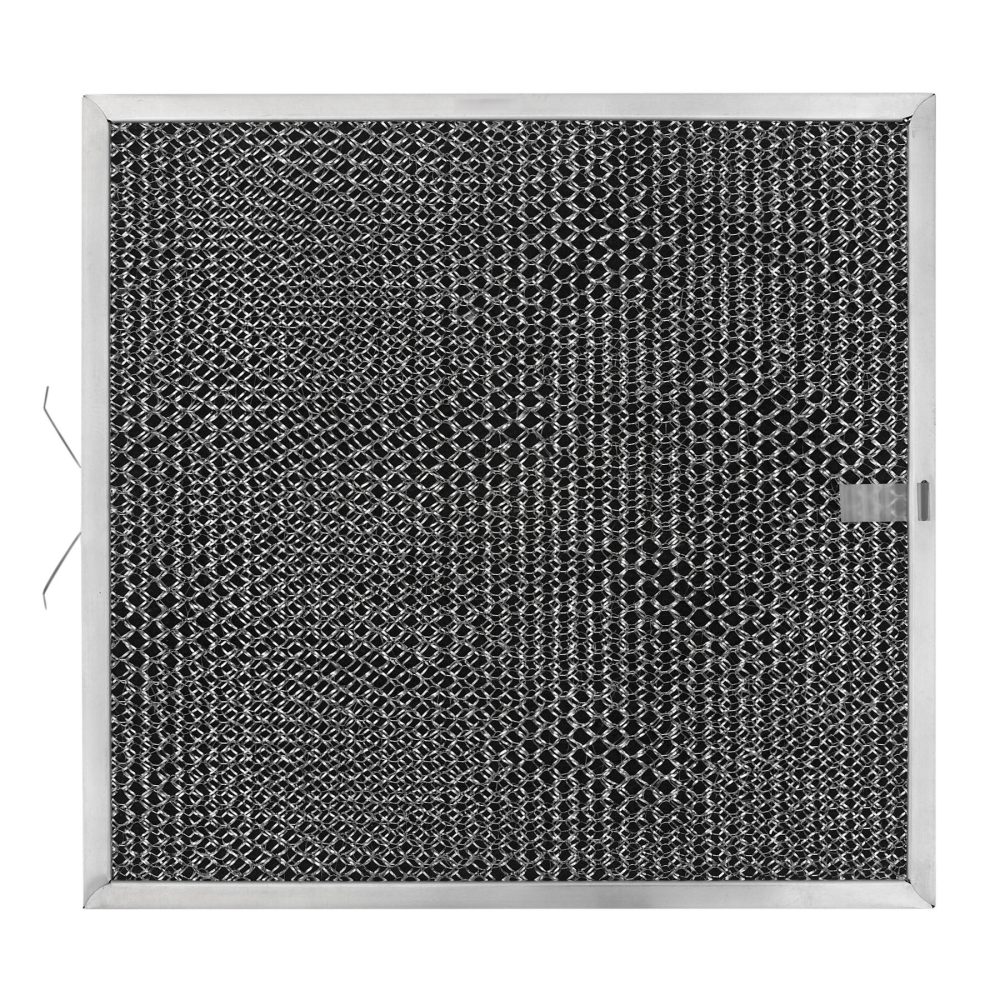
Broan HPF1 Carbon-Aluminum Range Hood Filter Replacement
-
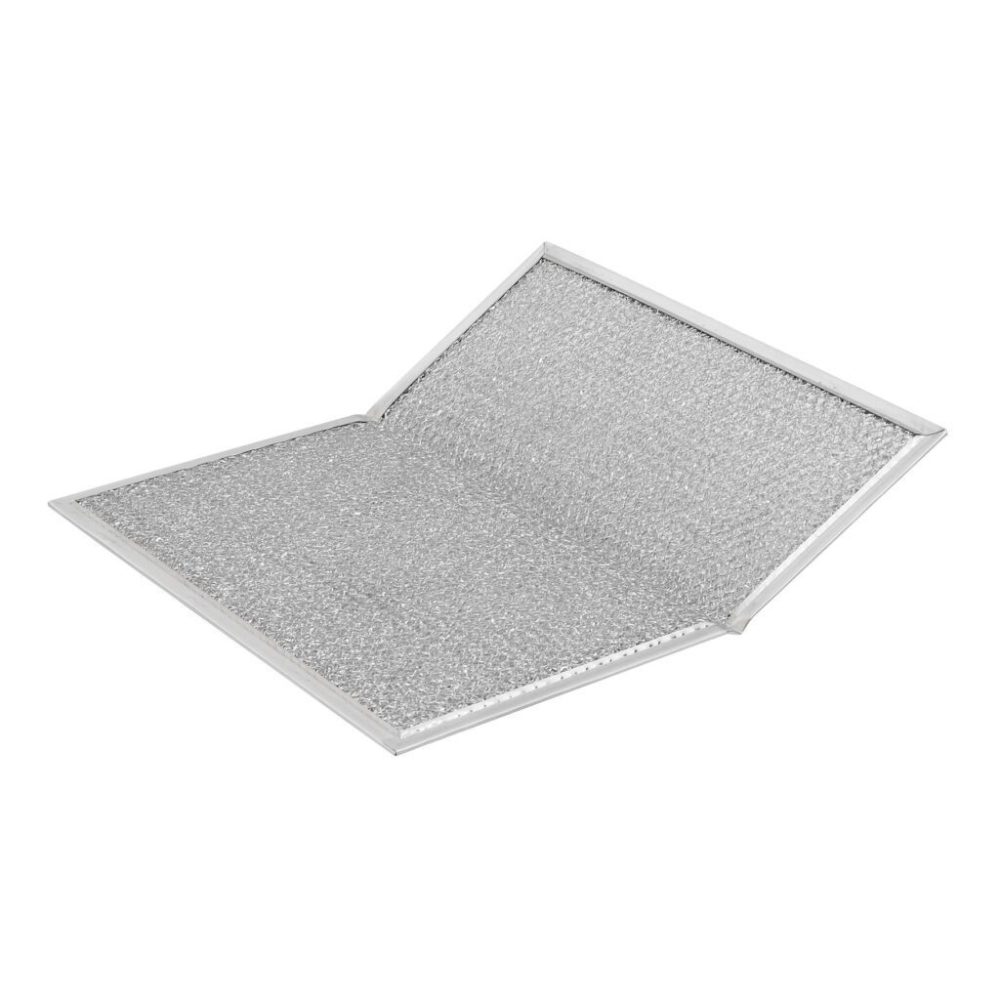
Rangaire 610042 Aluminum/Carbon Grease & Odor Range Hood Filter Replacement
-
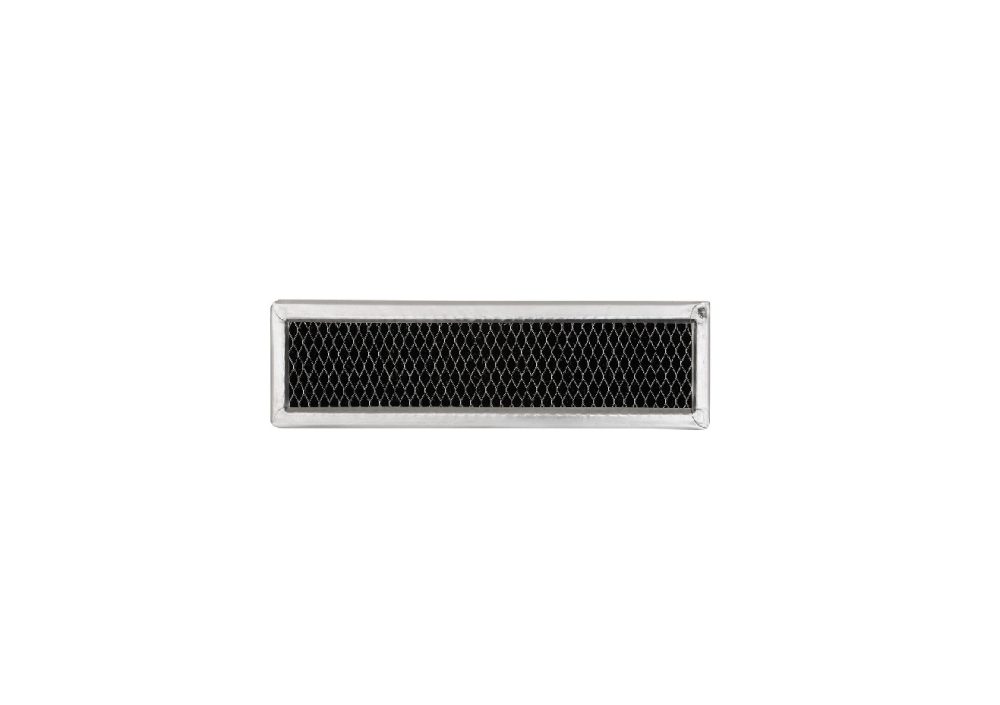
Broan 97009563 Carbon Odor Range Hood Filter Replacement
-
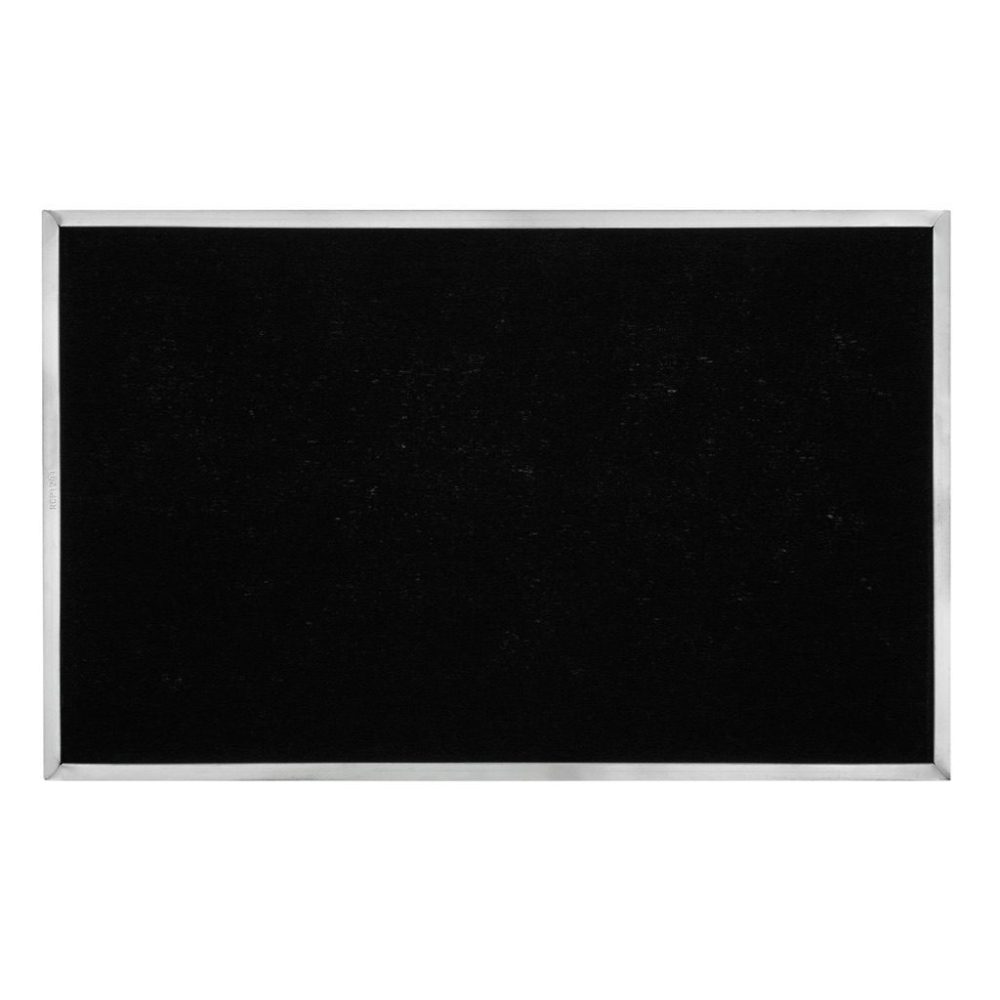
Miami-Carey 234VP, RCP1201 Carbon Odor Filter Replacement,12-5/8 x 19-15/16 x 1/2
-
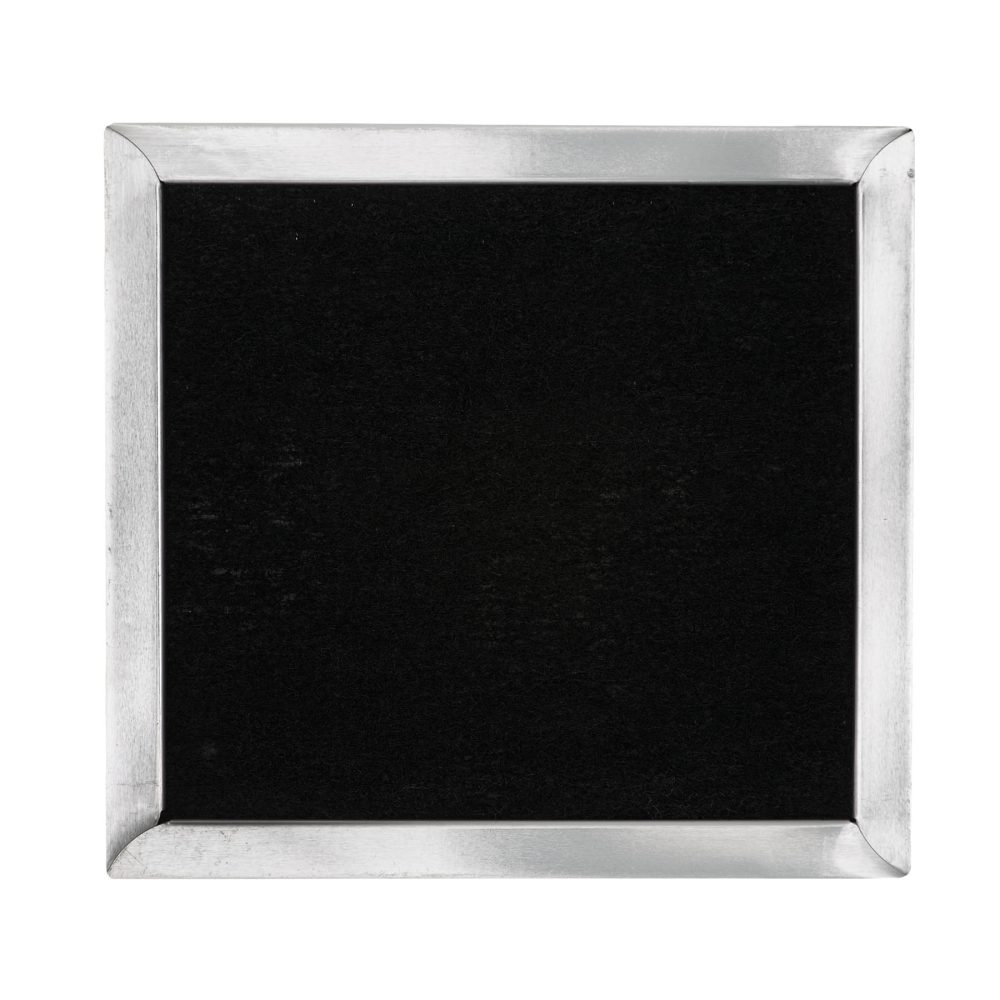
Magic Chef 3511900700 Charcoal Carbon Odor Filter Replacement, Fits Over-The-Range Microwaves
-
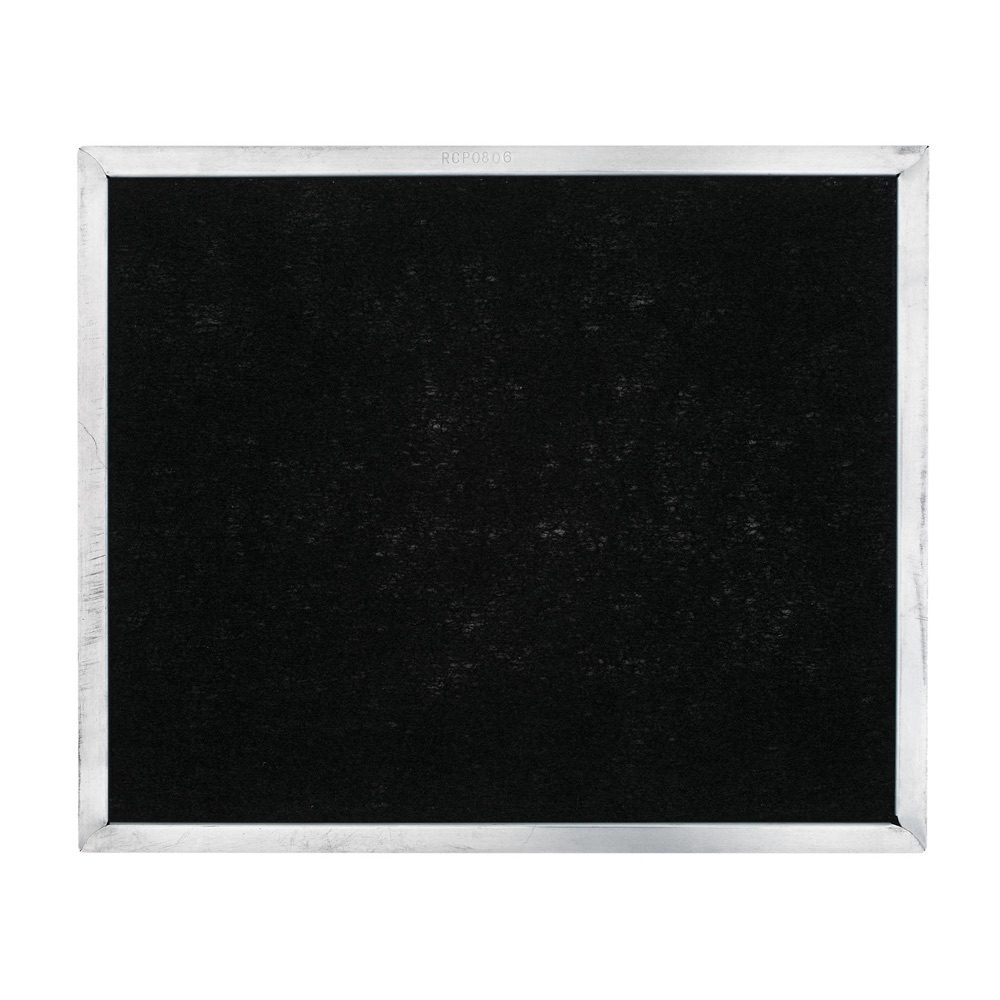
Broan 97007696 Carbon Odor Range Hood Filter Replacement
-
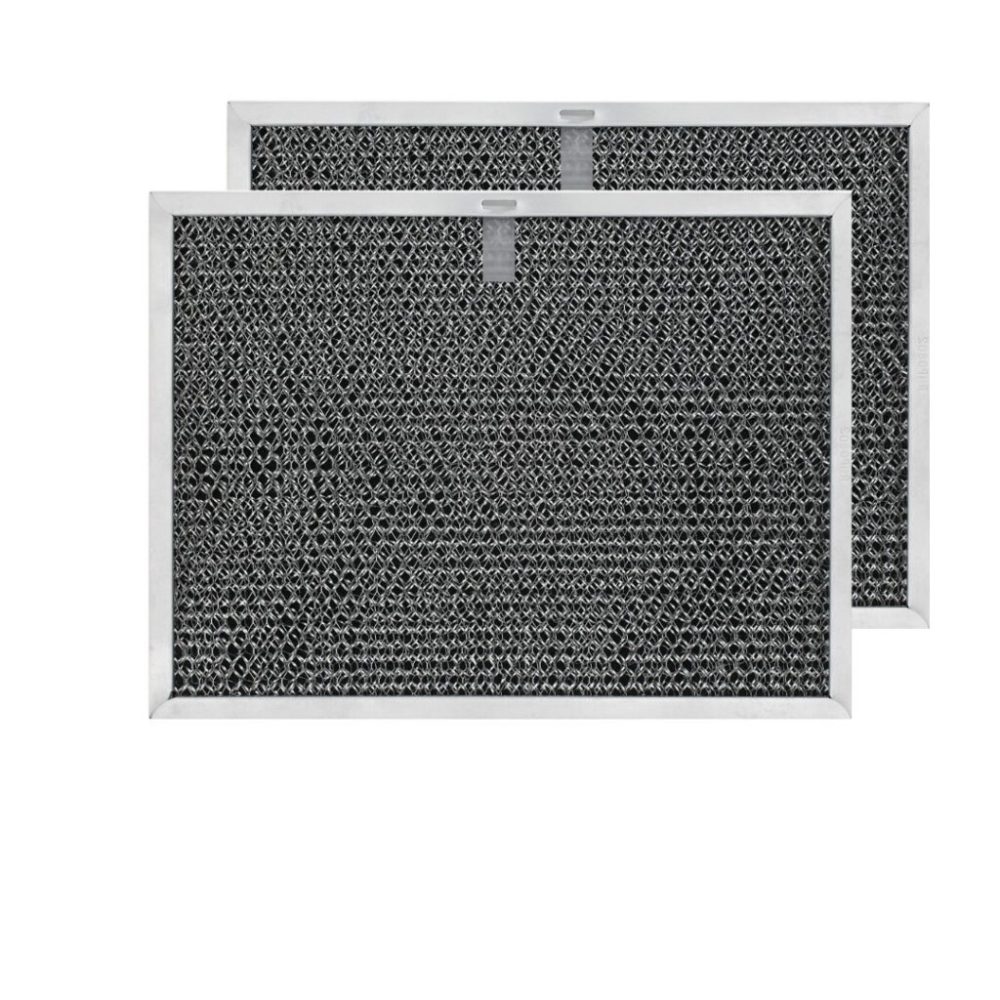
2-Pack Broan S99010310 Combination Aluminum Mesh and Carbon Grease and Odor Range Hood Filters
-
Broan S99010353 Carbon Odor Range Hood Filter Replacement
-
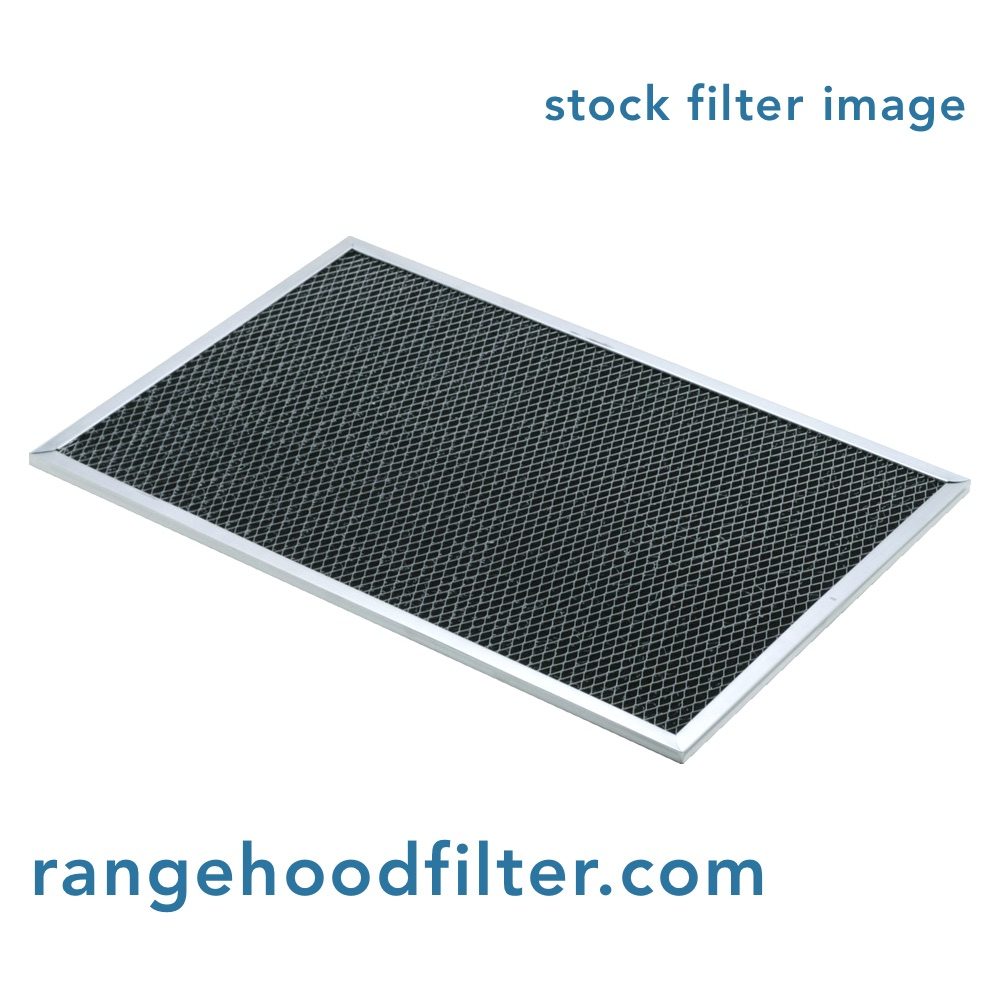
Rectangular Range Hood Grease Filter 7 x 15 x 3/8 (7.000 x 15.000 x 0.375) — American Metal Filter Company
-
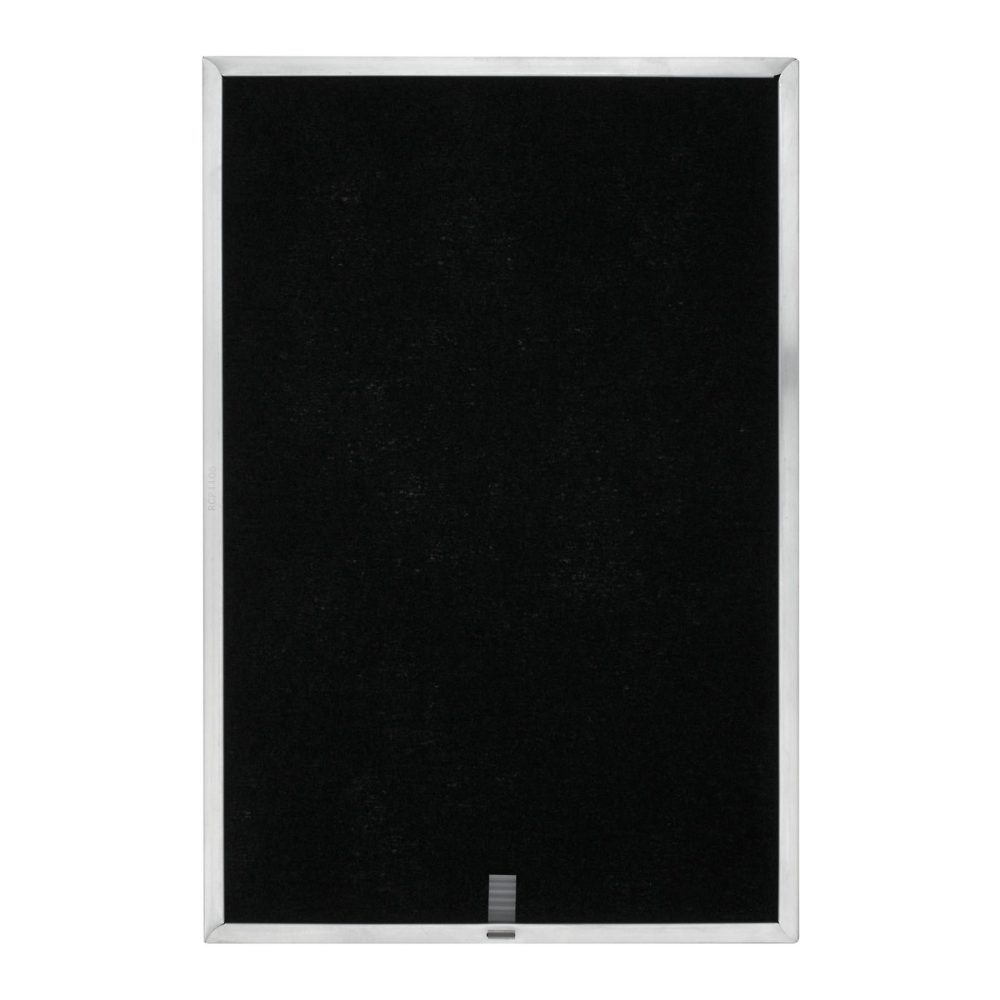
GE WB2X2892 Carbon Odor Range Hood Filter Replacement
-
Nutone V 3400 Carbon Odor Filter – 10-3/4 X 23-3/4 X 1/2
-
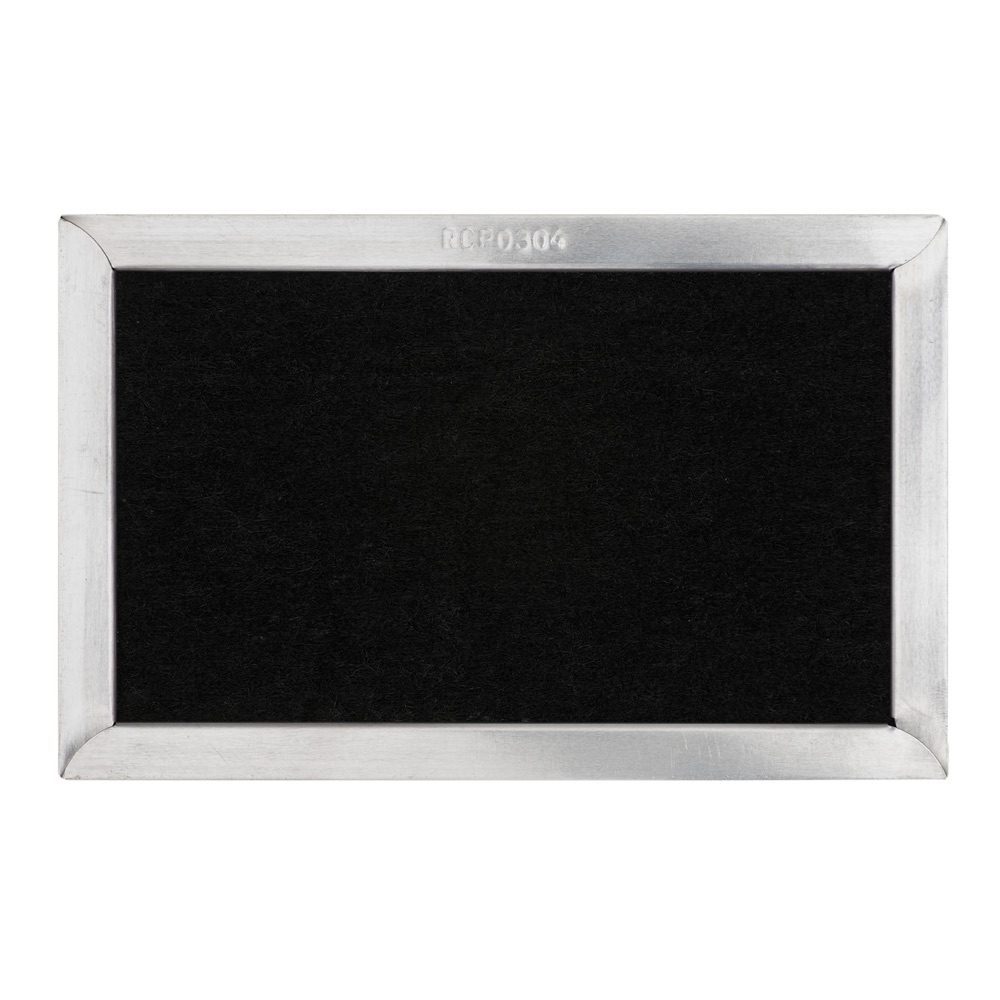
GE WB02X11536 Carbon Odor Range Hood Filter Replacement
-
Miami-Carey 235VP Carbon Odor Microwave Filter Replacement
-
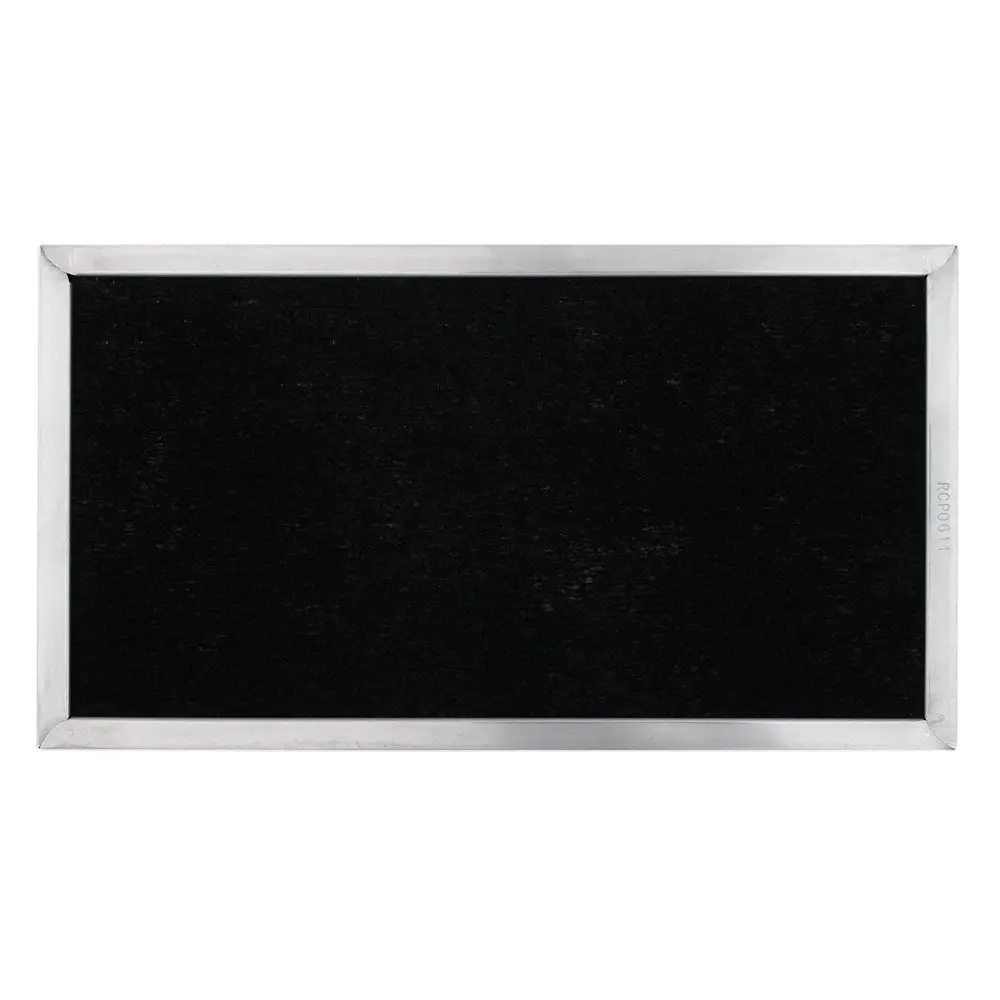
GE WB2X9883 Carbon Odor Microwave Filter Replacement
-
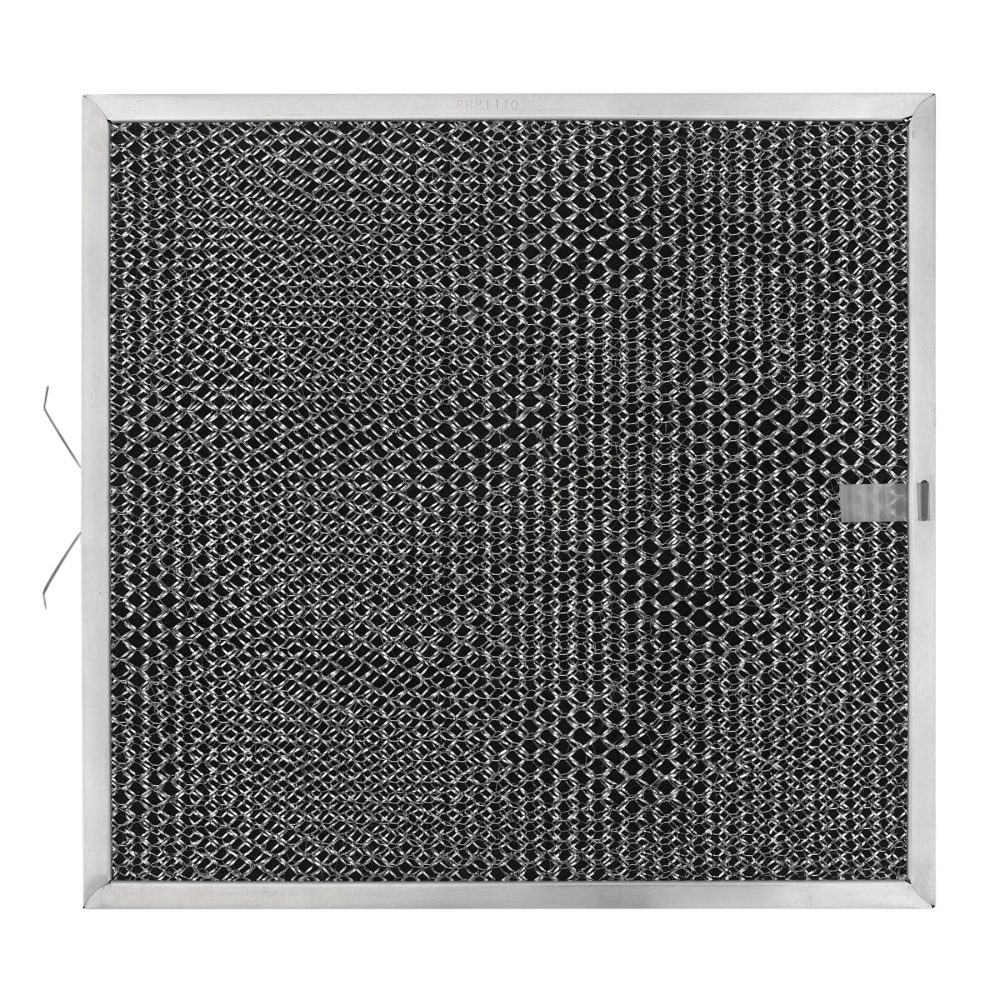
Broan S99010317 Aluminum/Carbon Grease & Odor Range Hood Filter Replacement
-
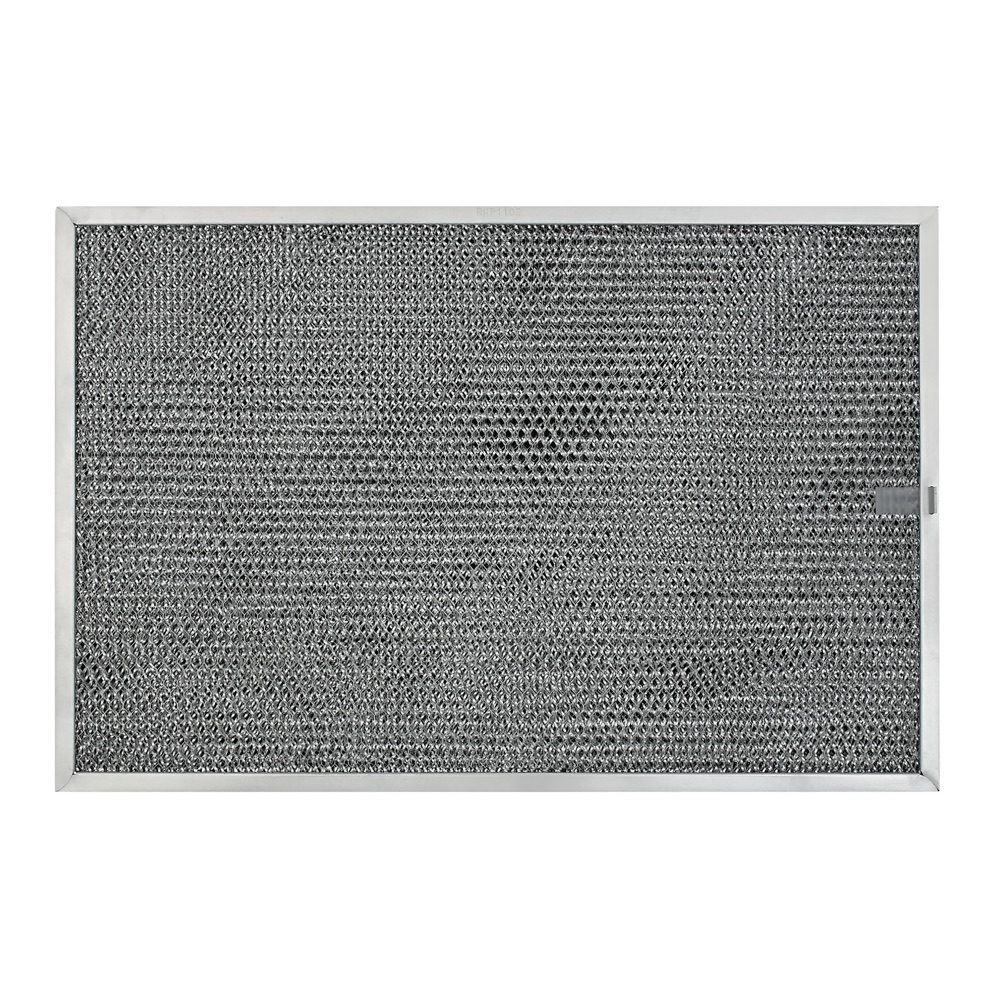
GE WB02X9761 Aluminum/Carbon Grease & Odor Range Hood Filter Replacement
-
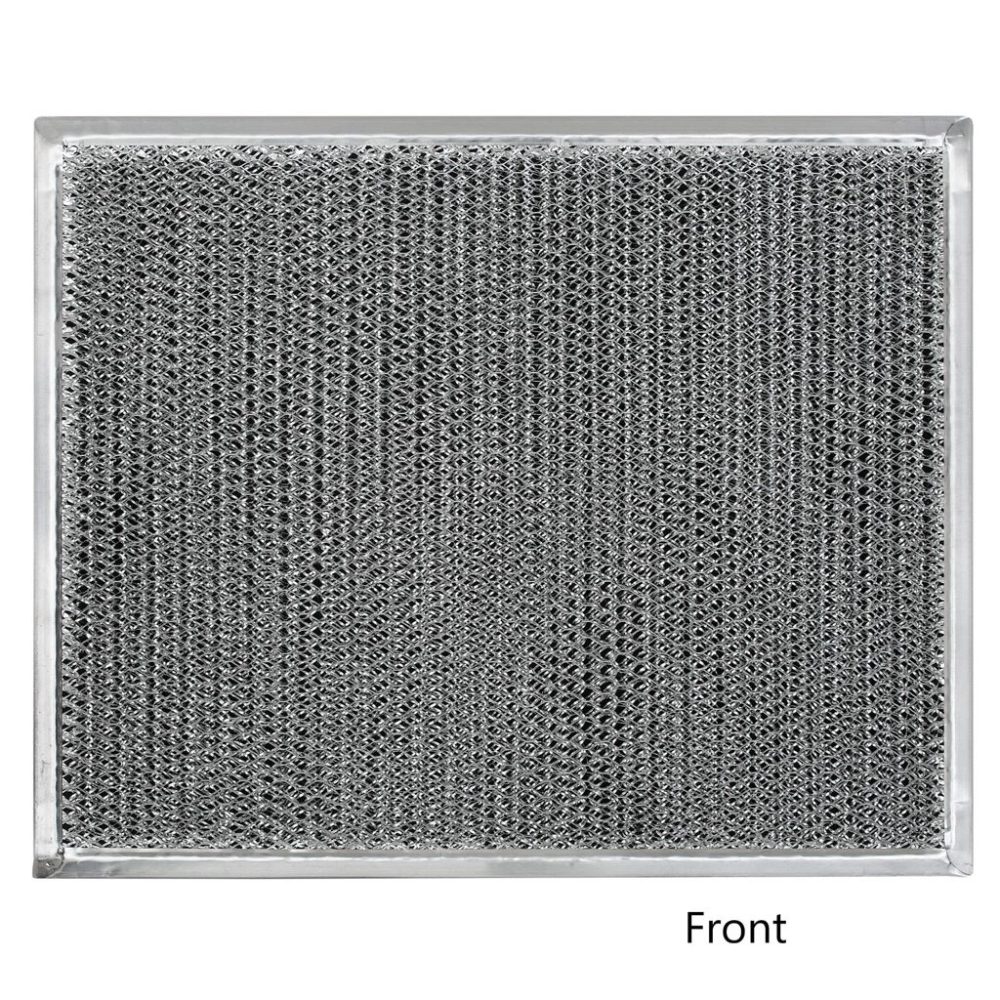
2-Pack Broan BPPF30 Charcoal Filter Replacement
-
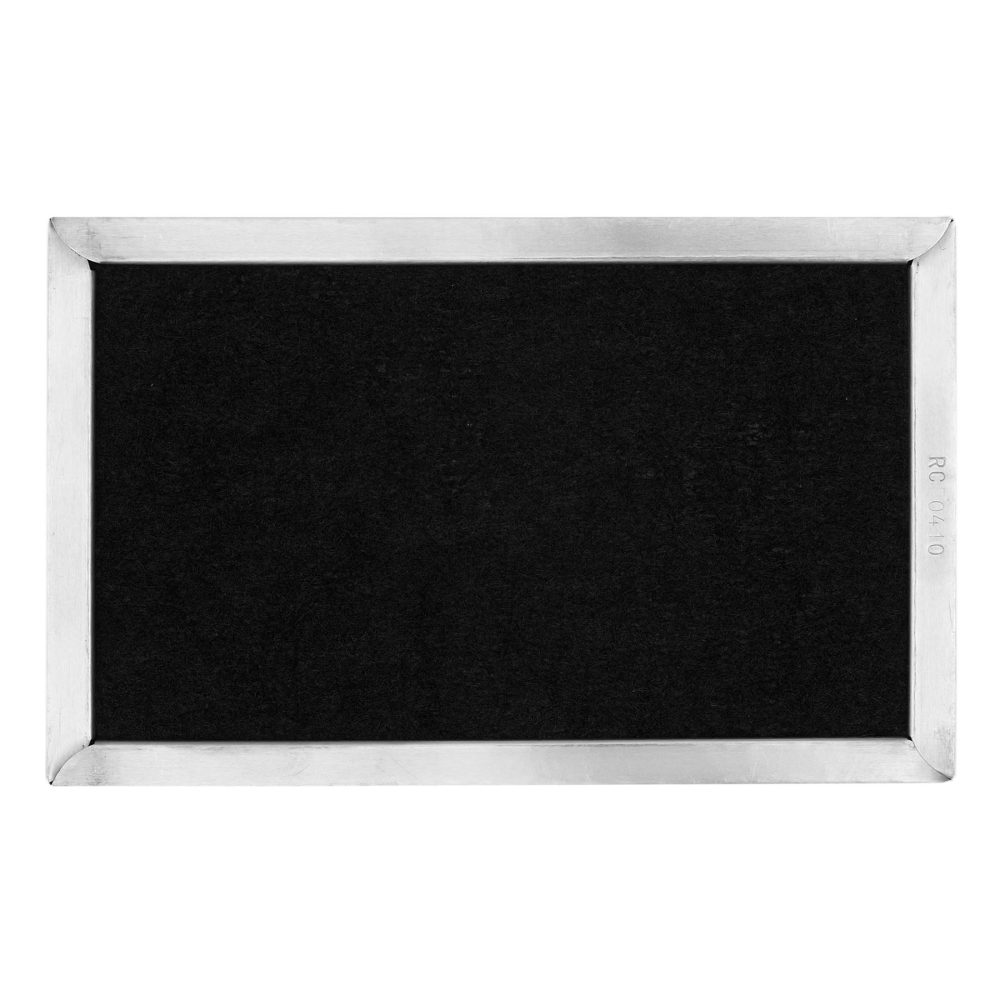
Magic Chef 3511900320 Charcoal Carbon Odor Filter Replacement, Fits Over-the-Range Microwave Models MCO153S, MCO153UB, MCO153UW
-
Broan S97009563 Carbon Odor Microwave Filter Replacement
-
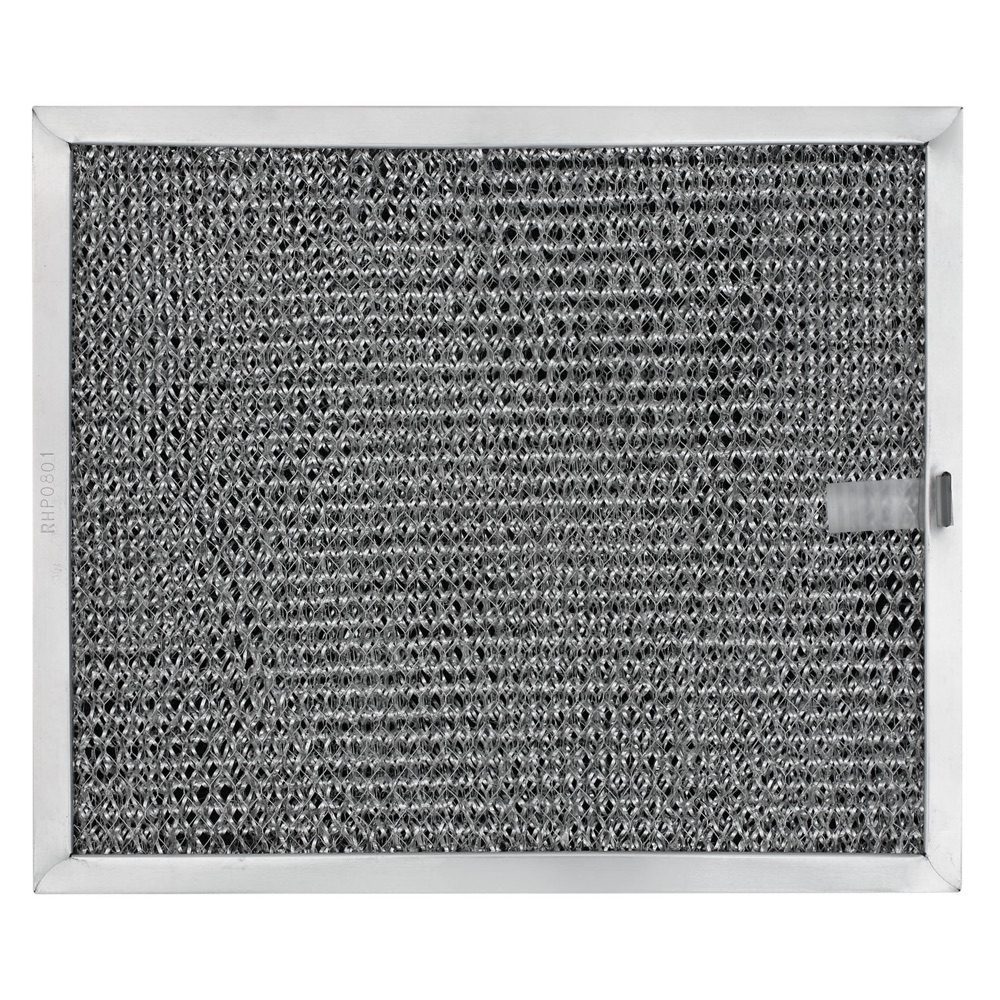
Broan 06300-00 Aluminum/Carbon Grease & Odor Range Hood Filter Replacement
-
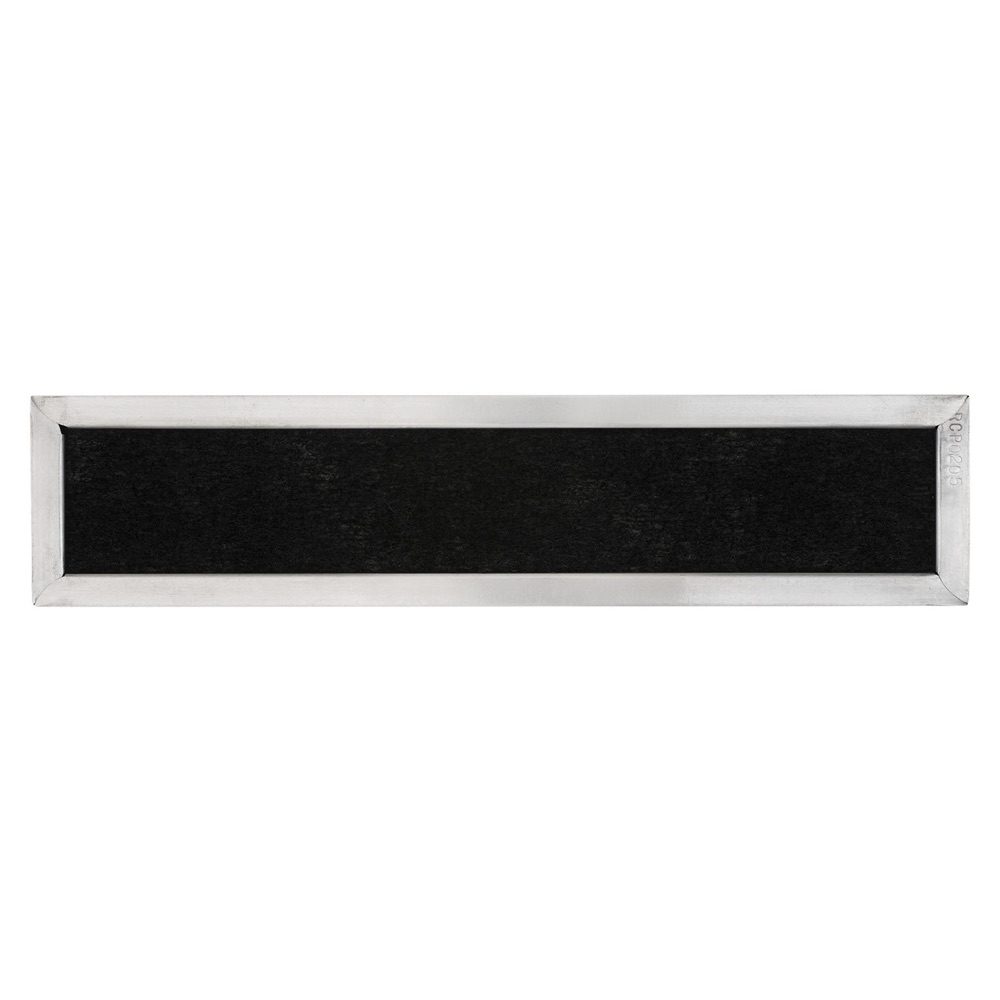
GE WB02X10943 Carbon Odor Range Hood Filter Replacement
-
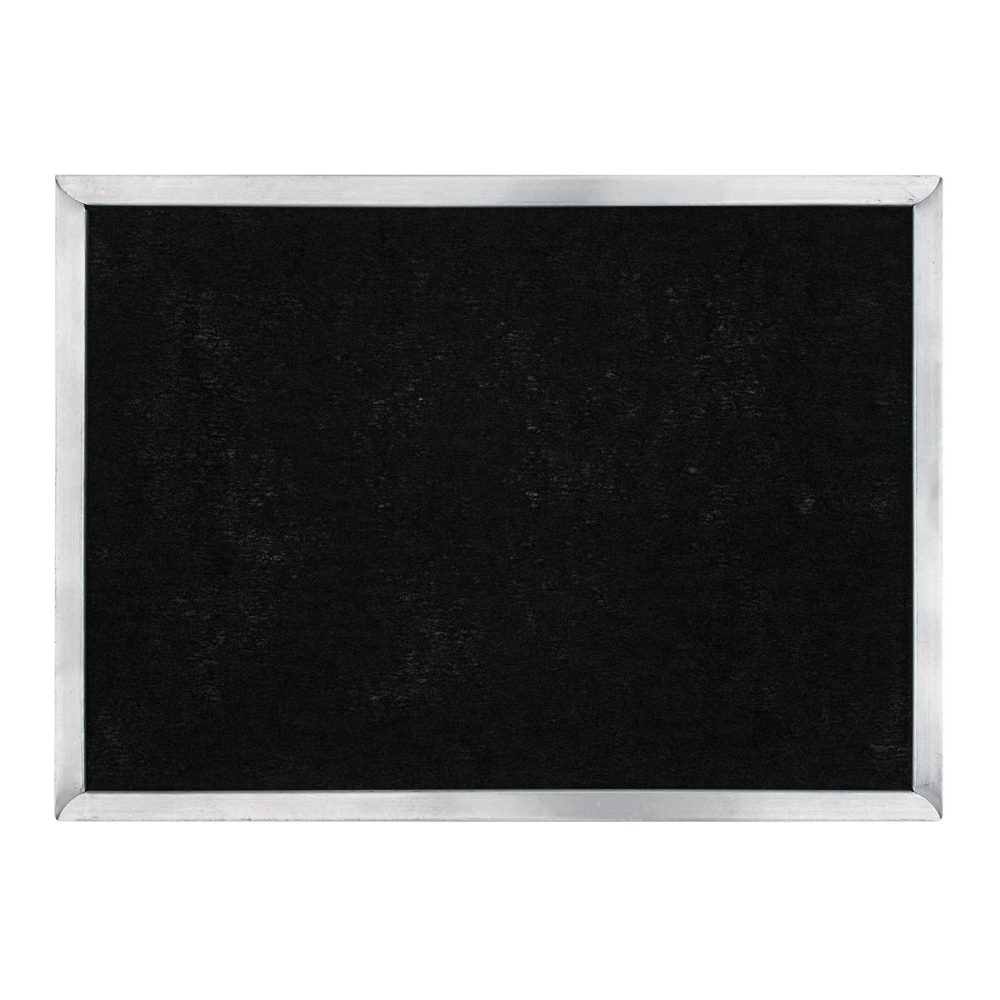
Broan S97007807 Carbon Odor Range Hood Filter Replacement
-
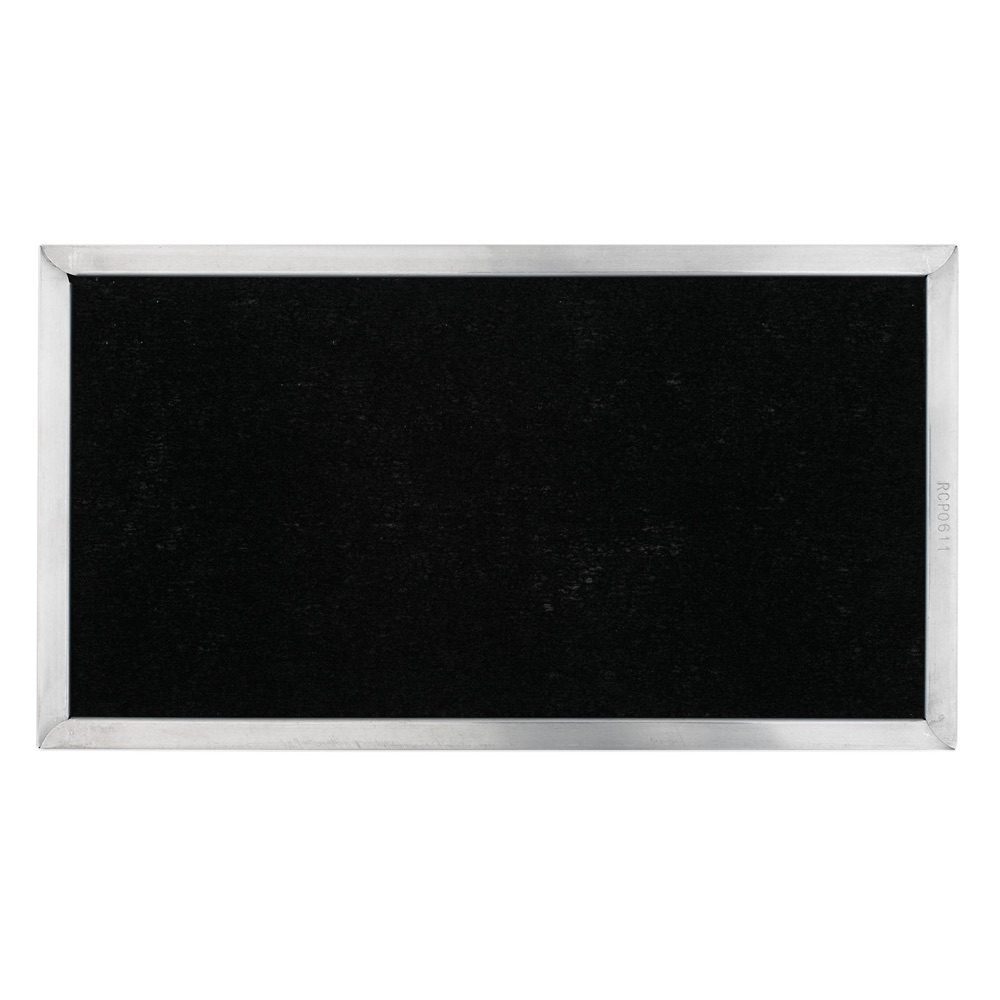
GE WB02X9883 Carbon Odor Microwave Filter Replacement
-

Bosch 492599 Carbon Odor Microwave Filter Replacement
-
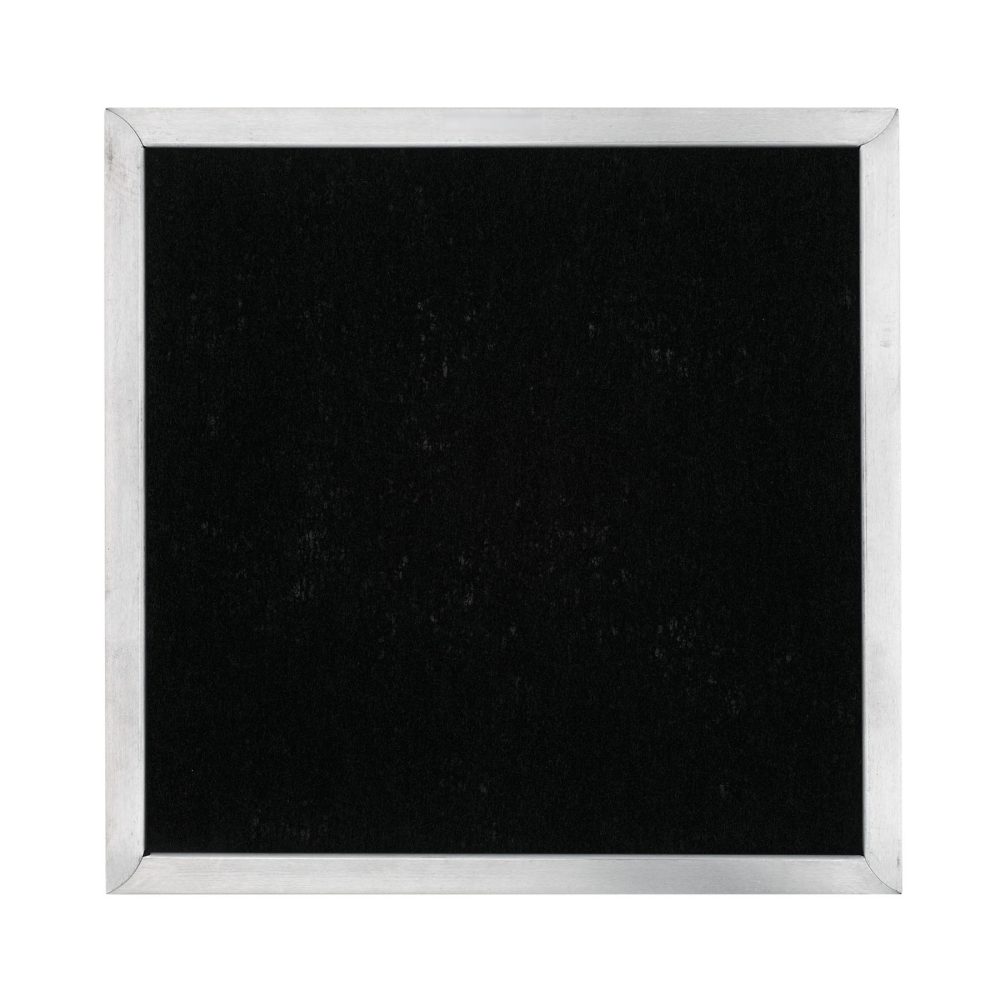
Whirlpool 8184958 Carbon Odor Microwave Filter Replacement
-
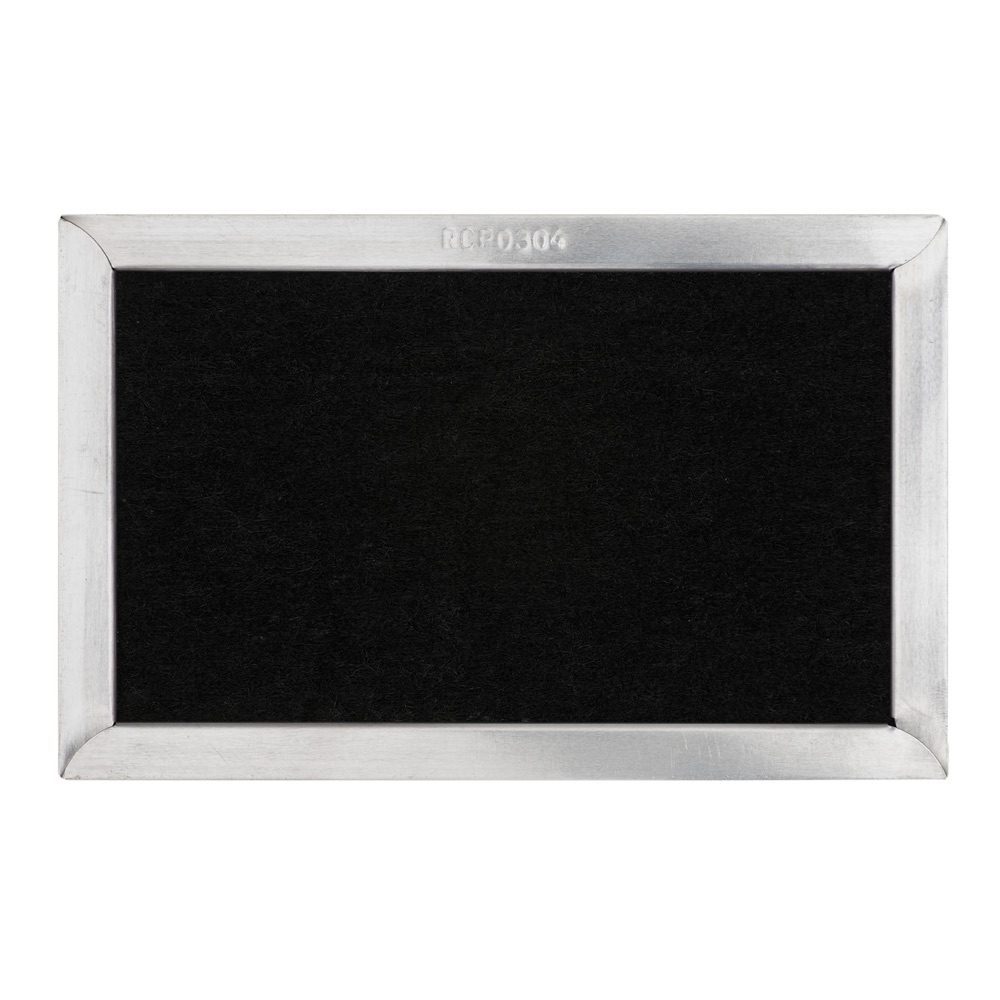
GE WB02X11124 Carbon Odor Range Hood Filter Replacement
Carbon Odor Filters: Replacement Filters for Range Hoods
Activated charcoal and carbon odor filters are the second-stage filtration component in recirculating (ductless) range hoods. Where a grease filter captures visible airborne oil mist, the activated carbon filter adsorbs the molecular-level cooking odors, smoke compounds, and volatile organic compounds (VOCs) that a grease filter cannot catch. Once the activated carbon media reaches saturation—typically every 6–12 months under average use—the adsorption capacity is spent and the filter must be replaced. Unlike aluminum mesh grease filters, charcoal filters are not washable or rechargeable.
Range Hood Filters Inc. carries 281 activated charcoal / carbon odor filters compatible with 30+ appliance brands including Airking, American Metal Filter Company, Bosch, Broan, Broan BPQTF, and 25 more. Whether you need an exact OEM replacement or a quality aftermarket substitute, our catalog covers the full range of residential range hood filter requirements.
Why Replace Your charcoal odor filter?
- Eliminates Cooking Odors in Ductless Range Hoods: Activated carbon media adsorbs odor-causing compounds at the molecular level, returning cleaned, odor-reduced air to the kitchen rather than exhausting it outdoors.
- Required for Recirculating Operation: Ductless range hoods rely entirely on the charcoal filter for odor and VOC control. A saturated or absent charcoal filter renders the hood unable to clean recirculated air.
- Genuine OEM and Aftermarket Options: OEM charcoal filters (original manufacturer part numbers) guarantee exact fit. Aftermarket options match original activated carbon media specifications at lower cost.
- Simple Replacement: Most charcoal filters snap or clip into position after removing the grease filter, requiring no tools and approximately 15 minutes to change.
- Replace When Odors Persist: The practical replacement indicator is performance: when cooking odors are noticeable in the kitchen with the hood running, the carbon is saturated and replacement is due.
How Activated Carbon Odor Filters Work
Activated carbon (also called activated charcoal) is a form of carbon processed to have an extremely high surface area per unit volume—typically 500–1,500 square meters per gram—due to a dense network of tiny pores. This porous surface adsorbs (binds) odor-causing molecules, smoke compounds, and VOCs as air passes through the filter media. Adsorption is a surface phenomenon: molecules adhere to the carbon surface rather than passing through. Once enough molecules have occupied available binding sites, the carbon is saturated and its adsorption capacity is exhausted. Unlike catalytic or UV-based air treatment, activated carbon filters do not destroy adsorbed molecules—they capture and hold them until the filter is replaced.
Typical Specifications
| Specification | Typical Value |
|---|---|
| Filter Material | Activated charcoal / activated carbon media |
| Dimensions Range | Multiple sizes (e.g., 10.25 x 10.25 x 0.38) |
| Washable / Reusable | No — disposable; replace, do not wash |
| Replacement Interval | Every 6–12 months, or when cooking odors persist with the hood running |
| Compatible Appliance Brands | Airking, American Metal Filter Company, Bosch, Broan, Broan BPQTF, and 25 more |
| Products in Catalog | 281 |
Frequently Asked Questions
How do I know when to replace my charcoal odor filter?
The most reliable indicator is performance: if you notice cooking odors persisting in the kitchen with the range hood running, and the grease filter is clean, the activated carbon filter is saturated and needs replacement. Most manufacturers recommend replacement every 6 months under average use; heavy cooking, frying, or strong spices exhausts the carbon media faster. As a conservative baseline, replace yearly regardless of use.
Can I wash and reuse a charcoal odor filter?
No. Activated charcoal and carbon odor filters cannot be washed to restore adsorption capacity. Washing may remove loose debris from the surface but does not regenerate the carbon pore structure, which is permanently occupied by adsorbed molecules. Once the carbon is saturated, the only way to restore full odor performance is to install a new filter. This is in contrast to aluminum mesh grease filters, which are washable and reusable.
Do all range hoods use charcoal odor filters?
No. Charcoal odor filters are used only in recirculating (ductless) range hoods, which filter and recirculate kitchen air rather than exhausting it outside. Ducted range hoods that exhaust air to the exterior do not use or need charcoal filters—the exhaust air is vented outdoors directly. Check your owner’s manual or the range hood label to confirm whether your unit is ducted or ductless.
What is the difference between activated charcoal and activated carbon filters?
Activated charcoal and activated carbon are essentially the same material: both are highly porous forms of carbon with very high surface area per unit volume, processed to maximize adsorption capacity for gases and odors. The terms are used interchangeably in the range hood filter industry. Both names refer to the same type of filter media that captures cooking odors in recirculating range hoods.
How do I find the right charcoal filter for my range hood?
Locate your range hood model number on the label inside the hood canopy and look up the OEM charcoal filter part number in the manufacturer’s parts lookup or owner’s manual. The charcoal filter must match by part number or by physical dimensions and filter bay configuration. Charcoal filters are often brand- and model-specific in shape, unlike the more standardized rectangular aluminum mesh grease filters.
Why Range Hood Filters Inc. for charcoal odor filter Replacement
Range Hood Filters Inc. specializes in range hood filters—it’s all we do. That narrow focus means deep cross-reference knowledge, consistent stock of both genuine OEM and quality aftermarket parts, and fast, accurate order fulfillment. We have been manufacturing and supplying range hood and microwave filters since 1986—more than 40 years of filter expertise. As the manufacturer, we supply millions of replacement filters to the United States each year, all made in the U.S.A.
- Made in the U.S.A. — every filter manufactured domestically to consistent quality standards
- 40+ years of expertise — range hood filter specialists since 1986
- Free shipping on orders over $19 within the contiguous U.S.
- Free 30-day returns — satisfaction guaranteed